
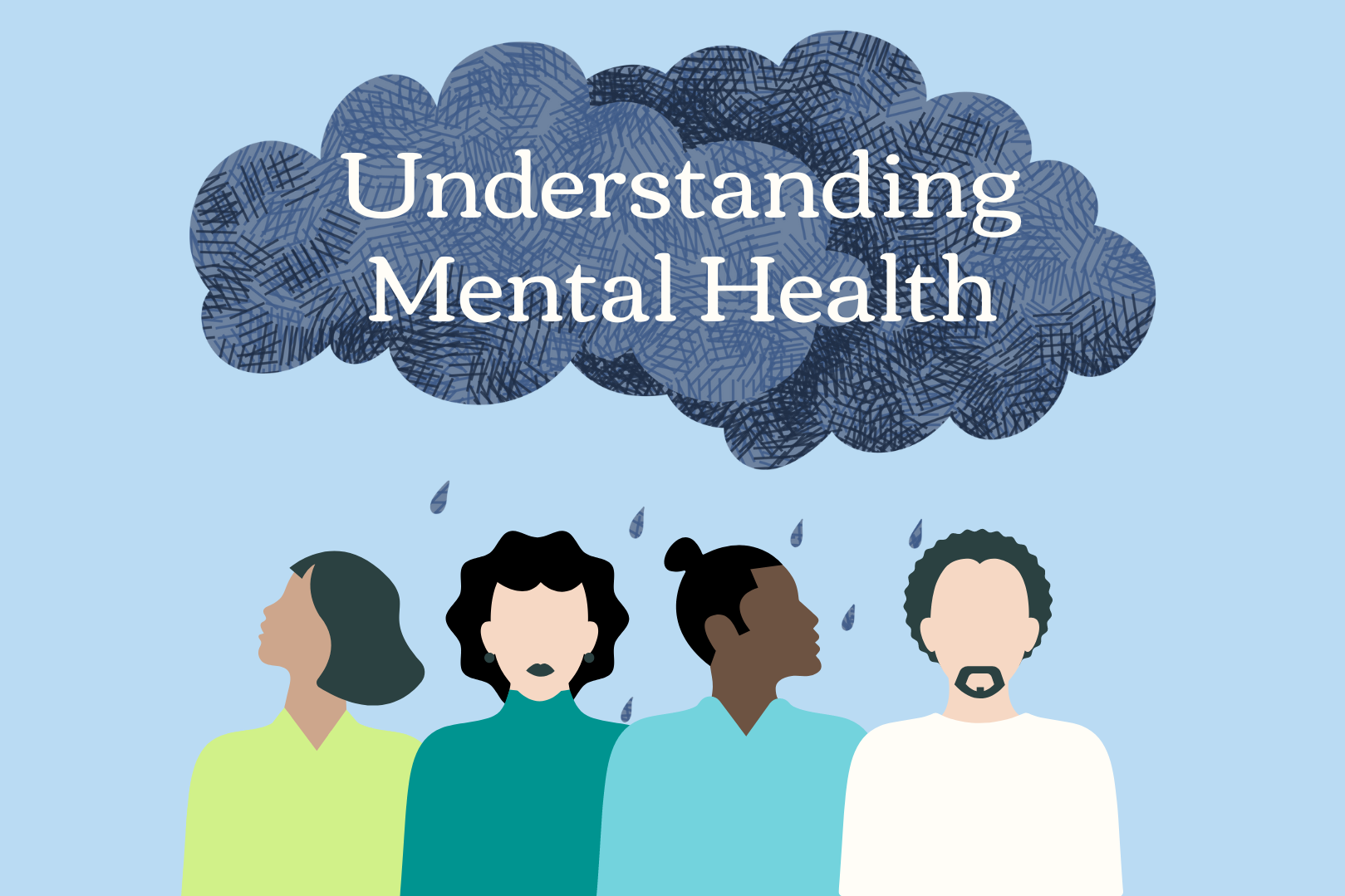
Understanding Mental Health and Why It Matters
We live in a world that has become increasingly comfortable talking about physical health. We go to the doctor for checkups, track our steps, monitor our diets, and take vitamins without a second thought. Yet when it comes to mental health — the health of our minds, our emotions, and our psychological well-being — many people still hesitate, still whisper, still look away. This needs to change. Mental health is not a luxury concern or a sign of weakness. It is a fundamental dimension of human health, and understanding it is one of the most important things any of us can do for ourselves and for the people we love.
What Is Mental Health?
Mental health refers to our emotional, psychological, and social well-being. It shapes how we think, feel, and behave in daily life. It influences how we handle stress, relate to others, make decisions, and find meaning in our experiences. Good mental health does not mean the absence of negative emotions or difficult periods — it means having the internal resources, support systems, and coping skills to navigate life's inevitable challenges without being permanently overwhelmed by them.
The World Health Organization defines mental health as "a state of well-being in which an individual realizes their own abilities, can cope with the normal stresses of life, can work productively, and is able to make a contribution to their community." This definition is important because it frames mental health not merely as the absence of illness, but as a positive, active state of functioning and flourishing.
Mental health exists on a spectrum. At one end, a person may be thriving — resilient, connected, purposeful, and emotionally balanced. At the other end, a person may be in crisis — unable to function, disconnected from reality, or in danger of harming themselves. Most people move along this spectrum throughout their lives, shifting in response to circumstances, relationships, loss, stress, and change.
The Scope of the Problem
Mental health conditions are far more common than most people realize. According to global health data, approximately one in four people will experience a mental health condition at some point in their lives. Depression is currently the leading cause of disability worldwide. Anxiety disorders affect hundreds of millions of people across every country and culture. Conditions like schizophrenia, bipolar disorder, obsessive-compulsive disorder, and post-traumatic stress disorder affect tens of millions more.
Yet despite this staggering prevalence, the majority of people with mental health conditions never receive any form of treatment. In low- and middle-income countries, more than 75% of people with mental health disorders receive no care at all. Even in wealthy nations with advanced healthcare systems, the treatment gap remains enormous. Stigma, cost, lack of awareness, shortage of mental health professionals, and cultural barriers all contribute to this crisis of unmet need.
The human cost is immense. Untreated mental illness contributes to broken relationships, lost productivity, substance abuse, physical health deterioration, homelessness, incarceration, and suicide. Every year, close to 800,000 people die by suicide — one person every 40 seconds — making it one of the leading causes of death among young people globally. Behind each of these statistics is a person, a family, a community that has been changed forever.
Common Mental Health Conditions
While the range of mental health conditions is broad, a few are particularly widespread and important to understand.
Depression is more than sadness. It is a persistent condition characterized by low mood, loss of interest in activities once enjoyed, fatigue, changes in appetite and sleep, difficulty concentrating, feelings of worthlessness, and in severe cases, thoughts of death or suicide. It can be triggered by life events, biological factors, or arise seemingly without cause. Depression is highly treatable, yet millions suffer in silence because they don't recognize it as an illness or feel too ashamed to seek help.
Anxiety disorders encompass a range of conditions including generalized anxiety disorder, panic disorder, social anxiety disorder, and phobias. While anxiety is a normal and even useful human emotion, anxiety disorders involve excessive, persistent fear or worry that interferes with daily functioning. Physical symptoms such as racing heart, shortness of breath, trembling, and dizziness are common, and many people with anxiety disorders mistake their symptoms for physical illness.
Post-Traumatic Stress Disorder (PTSD) develops in some people after experiencing or witnessing a traumatic event — such as violence, abuse, war, accidents, or natural disasters. It is characterized by intrusive memories, nightmares, emotional numbness, hypervigilance, and avoidance of reminders of the trauma. PTSD is not a sign of weakness; it is the mind's attempt to process an experience that overwhelmed its capacity to cope.
Bipolar disorder involves extreme swings in mood, energy, and behavior — from periods of elevated, euphoric, or irritable mood (mania or hypomania) to episodes of depression. These cycles can be deeply disruptive to relationships, work, and overall functioning, and the condition is often misdiagnosed for years before a person receives appropriate care.
Schizophrenia is a serious psychiatric condition characterized by distorted perceptions of reality, including hallucinations, delusions, disorganized thinking, and impaired social functioning. It is one of the most misunderstood and stigmatized conditions in mental health, often portrayed inaccurately in media and popular culture. With proper treatment and support, many people with schizophrenia can lead meaningful, stable lives.
The Mind-Body Connection
One of the most important and least appreciated aspects of mental health is how deeply it is connected to physical health. The mind and body are not separate systems — they are profoundly, continuously influencing each other.
Chronic stress, anxiety, and depression can manifest physically in the form of headaches, digestive problems, chronic pain, weakened immunity, cardiovascular disease, and hormonal disruption. People with severe mental health conditions die on average 10 to 20 years earlier than the general population, largely due to preventable physical health complications.
The reverse is equally true. Chronic physical illness — including cancer, diabetes, heart disease, and chronic pain — significantly increases the risk of developing depression and anxiety. When the body suffers, the mind suffers alongside it. This bidirectional relationship means that treating mental and physical health in isolation from each other is not only incomplete — it is ineffective.
Sleep is one of the clearest examples of this connection. Poor mental health disrupts sleep, and poor sleep worsens mental health. Nutrition affects mood and brain function, and poor mental health often leads to poor nutritional choices. Exercise is one of the most powerful natural antidepressants known to science, yet depression often strips away the motivation to move. Understanding these interconnections is essential for a truly holistic approach to health.
What Shapes Our Mental Health?
Mental health is shaped by a complex interplay of biological, psychological, and social factors — what health professionals often refer to as the biopsychosocial model.
On the biological side, genetics plays a meaningful role. Having a close relative with depression, anxiety, or schizophrenia increases a person's own risk. Brain chemistry, hormonal balance, and neurological differences all contribute to how vulnerable or resilient a person may be. But biology is never destiny — genes interact with environment in nuanced ways, and many people with strong genetic risk factors never develop a mental health condition.
Psychological factors include a person's thought patterns, coping styles, emotional regulation skills, self-esteem, and history of trauma or adverse childhood experiences. Early life experiences are particularly powerful shapers of mental health. Children who grow up in safe, nurturing environments with consistent emotional support develop stronger foundations for psychological resilience. Those who experience abuse, neglect, instability, or loss in childhood carry a heightened vulnerability that can echo through their entire lives.
Social factors — our relationships, community connections, economic circumstances, and cultural context — round out the picture. Loneliness and social isolation are among the most potent risk factors for poor mental health. Poverty, discrimination, housing instability, and lack of access to education all place enormous strain on psychological well-being. Conversely, strong social connections, a sense of belonging, purpose, and community are among the most powerful protective factors available to any human being.
The Weight of Stigma
Despite significant progress in recent decades, stigma remains one of the most powerful and destructive forces in the landscape of mental health. Stigma is the set of negative attitudes, beliefs, and behaviors that society directs toward people with mental health conditions — and it causes enormous harm.
Stigma manifests in multiple ways. Public stigma involves the negative stereotypes and discrimination that people with mental illness face from society at large. Self-stigma occurs when a person internalizes these negative messages and begins to view themselves as weak, broken, or unworthy of help. Structural stigma is embedded in institutions — in underfunded mental health systems, in workplace cultures that dismiss mental health days as laziness, in legal systems that criminalize behavior rooted in untreated illness.
The consequences of stigma are not abstract. They are the reason people suffer alone for years before reaching out. They are the reason people abandon treatment out of shame. They are the reason families don't talk about what is happening in their homes. Stigma kills — not metaphorically, but literally, by creating barriers between people in crisis and the help that could save their lives.
Breaking stigma requires more than awareness campaigns. It requires a fundamental shift in how we talk about mental health — treating it with the same normalcy, compassion, and urgency we extend to a broken bone or a failing heart.
Seeking Help: What Treatment Looks Like
The landscape of mental health treatment is broader and more varied than many people realize, and what works best depends on the individual, the condition, and the circumstances.
Psychotherapy — talk therapy — is one of the most effective tools available. Cognitive-behavioral therapy (CBT) helps people identify and change harmful thought patterns and behaviors. Dialectical behavior therapy (DBT) is particularly effective for emotional regulation and conditions like borderline personality disorder. EMDR (Eye Movement Desensitization and Reprocessing) has strong evidence for trauma. Psychodynamic therapy helps people explore how past experiences shape present patterns. There is no single best approach — the most effective therapy is one that fits the person and their specific needs.
Medication can play an important role in treatment, particularly for conditions like depression, bipolar disorder, schizophrenia, and anxiety disorders. Antidepressants, mood stabilizers, antipsychotics, and anti-anxiety medications work by adjusting brain chemistry to reduce symptoms and restore functioning. Medication is most effective when combined with therapy and lifestyle support, rather than used in isolation.
Beyond formal treatment, lifestyle factors matter enormously. Regular physical exercise, consistent sleep, nutritious eating, social connection, time in nature, creative expression, mindfulness practices, and purpose-driven activity all contribute meaningfully to mental health. These are not replacements for professional care when it is needed, but they are powerful complements to it.
Peer support — connecting with others who have lived experience of mental health challenges — offers a unique and valuable form of help that professional treatment cannot fully replicate. Support groups, peer counselors, and community organizations provide belonging, understanding, and practical wisdom that can be transformative.
Mental Health Across the Lifespan
Mental health needs and vulnerabilities shift across different stages of life, and each stage brings its own challenges worth understanding.
Childhood is a critical window for mental health development. Conditions like ADHD, autism spectrum disorder, childhood anxiety, and early-onset depression can emerge in these years, and early identification and support make an enormous difference in long-term outcomes. Children need emotional attunement from caregivers, safety, stability, and the freedom to express their feelings without shame.
Adolescence is a period of particular vulnerability. The teenage brain is undergoing dramatic developmental changes, and the pressures of identity formation, social belonging, academic performance, and increasingly, social media, create fertile ground for mental health struggles. The majority of lifelong mental health conditions begin before age 24, making adolescence a critical period for both prevention and early intervention.
Adulthood brings its own pressures — career demands, relationship challenges, financial stress, parenting, and for many, the first encounters with grief and loss. Midlife can be a time of reckoning and reorientation, as people confront questions of meaning, purpose, and unfulfilled expectations.
Older adulthood is often overlooked in conversations about mental health. Depression and anxiety are common among older people, frequently dismissed as natural consequences of aging rather than treatable conditions. Isolation, loss of loved ones, declining physical health, and shifts in identity and purpose all contribute to vulnerability in this stage of life.
Why Mental Health Matters — For All of Us
Mental health matters because human beings matter. It matters because the quality of our inner lives shapes everything — our relationships, our work, our capacity for joy, our ability to connect with and contribute to the world around us.
It matters at the individual level, where untreated mental illness robs people of years of functioning, connection, and fulfillment. It matters at the family level, where a parent's depression shapes a child's sense of security, and a teenager's anxiety ripples through an entire household. It matters at the community level, where collective well-being — trust, cooperation, compassion, civic engagement — depends on the psychological health of its members. And it matters at the societal level, where mental health has profound implications for economic productivity, public safety, educational outcomes, and the overall fabric of human civilization.
Investing in mental health is not a soft or optional priority. It is one of the highest-return investments a society can make. The economic case alone is compelling — for every dollar invested in treatment for depression and anxiety, there is an estimated return of four dollars in improved health and productivity. But beyond economics lies something more fundamental: a commitment to human dignity, to the idea that every person deserves the opportunity to live a life of meaning, connection, and psychological freedom.
Conclusion
Mental health is not a niche topic for therapists and psychologists. It is a deeply human subject that belongs at the center of how we understand ourselves, care for one another, and build our communities. Every one of us has mental health, just as every one of us has physical health — and every one of us will face moments when that mental health is tested.
The path forward requires more open conversation, greater compassion, stronger systems of care, and a collective willingness to look honestly at the invisible struggles that shape so many lives. It requires us to listen without judgment, to reach out without waiting to be asked, and to treat the suffering of the mind with the same seriousness and urgency we would bring to any other form of human pain.
Understanding mental health is not just an intellectual exercise. It is an act of empathy. And in a world that sorely needs more of it, that matters more than we can fully measure.