
What Is Drug and Alcohol Abuse?
Drug and alcohol abuse is a serious public health issue that affects individuals, families, schools, and communities worldwide. It occurs when a person uses drugs or alcohol in a way that is harmful to their health, relationships, education, or work. While some substances may be legally available, misuse can lead to addiction, physical and mental health problems, and long-term life consequences.
Understanding Drugs and Alcohol
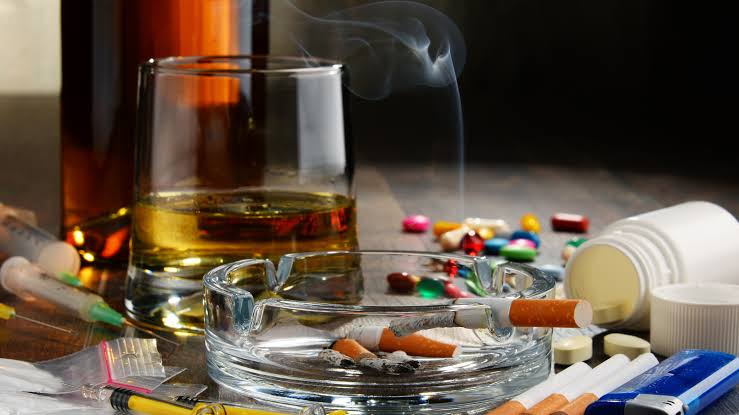
Drugs are substances that change how the body and brain function. They can be legal or illegal.
- Legal substances include alcohol, tobacco, and prescription medications.
- Illegal substances include drugs such as marijuana, cocaine, heroin, and methamphetamine.
Alcohol is one of the most commonly abused substances worldwide. According to the World Health Organization (WHO), harmful use of alcohol contributes to millions of deaths each year and is linked to over 200 disease and injury conditions.
What Is Drug and Alcohol Abuse?
Drug and alcohol abuse happens when a person:
- Uses substances excessively.
- Uses substances in risky situations (e.g., driving under the influence).
- Cannot control or stop using the substance.
- Continues using despite negative consequences.
Abuse can gradually develop into addiction, also known as substance use disorder, where the body and brain become dependent on the substance.
Commonly Abused Substances
Some commonly abused substances include:
- Alcohol
- Tobacco
- Marijuana
- Prescription painkillers
- Cocaine
- Heroin
- Methamphetamine
Each of these substances affects the brain differently, but all can lead to harmful physical, psychological, and social effects when misused.
Causes of Drug and Alcohol Abuse
There is no single cause of substance abuse. It often results from a combination of factors:
1. Peer Pressure
Young people may feel pressured to try drugs or alcohol to fit in.
2. Stress and Mental Health Issues
People sometimes turn to substances to cope with stress, anxiety, depression, or trauma.
3. Curiosity and Experimentation
Some individuals experiment without fully understanding the risks.
4. Family Environment
Growing up in an environment where substance use is common increases the risk.
Effects of Drug and Alcohol Abuse
Substance abuse can affect every area of a person’s life.
Physical Effects
- Liver damage
- Heart problems
- Weakened immune system
- Brain damage
- Overdose
Psychological Effects
- Anxiety
- Depression
- Mood swings
- Hallucinations
- Poor concentration
Social Effects
- Poor academic or work performance
- Relationship problems
- Financial difficulties
- Legal issues
Warning Signs of Drug and Alcohol Abuse
Recognizing early warning signs can help prevent serious consequences. Common signs include:
- Sudden changes in behavior
- Decline in academic or work performance
- Secretive behavior
- Loss of interest in activities
- Changes in sleep or eating patterns
- Physical signs such as red eyes or unusual smells
Prevention and Treatment
Drug and alcohol abuse can be prevented and treated. Prevention strategies include:
- Education and awareness programs
- Strong family support
- Healthy coping strategies
- Community involvement
Treatment options may include:
- Counseling and therapy
- Rehabilitation programs
- Support groups
- Medical treatment when necessary
Organizations such as the United Nations Office on Drugs and Crime (UNODC) work globally to reduce substance abuse through prevention programs, policy development, and education.
Conclusion
Drug and alcohol abuse is not just about using substances—it is about the harmful patterns of use that negatively affect a person’s health and life. Understanding what substance abuse is, its causes, effects, and warning signs is the first step toward prevention and recovery.
With proper education, support, and intervention, individuals can make informed choices and build healthier, substance-free lives.